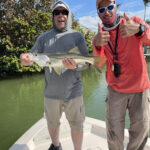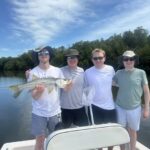

I get asked constantly why I focus almost entirely on inshore fishing charters in Naples, FL instead of running offshore trips like a lot of other captains around here. The honest answer is that Naples’ back bays and mangrove estuaries hold more consistent, higher quality fishing than most people give them credit for, and I would rather put you on that water than burn half your trip running out to open Gulf water.
Offshore trips mean a long run before you ever make a cast, and that time adds up fast on a half-day charter. Inshore fishing in Naples, Florida keeps you close to the marina from the first minute, which means more of your booked time actually goes toward fishing instead of riding. I also just prefer this kind of water. Mangrove creeks and flats reward patience and accuracy over horsepower, and that style of fishing is what I built my business around.
People use these terms interchangeably, but there is a real difference. Inshore fishing happens inside protected bays, creeks, and estuaries, sheltered almost entirely from open Gulf conditions. Nearshore fishing charters in Naples typically work water just outside the passes, close to shore but exposed to more wind and chop than true inshore water. I run trips in both zones depending on tide, wind, and what my clients are hoping to target that day, but the majority of my bookings stay inshore because the fishing holds up better regardless of weather.
Mangrove points, oyster bars, and creek mouths produce consistently for me throughout the year. I position the boat based on which way the tide is moving, since a strong current pushes bait past these ambush points and triggers feeding activity. Dead slack tide almost always shuts things down, so I plan the timing of each trip around tide charts rather than just picking a convenient hour.
You can see recent catches and current conditions on my fishing report page, which I update regularly based on what I am actually seeing on the water.
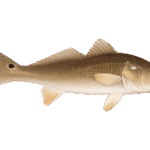
Snook stay my main focus from spring through fall, since Southwest Florida holds one of the healthiest populations in the state. According to the Florida Fish and Wildlife Conservation Commission, the Southwest management region, which includes Naples, opens snook harvest March 1 through April 30 and again October 1 through November 30, with a 28 to 33 inch slot limit and a one fish daily bag limit. Outside those windows I still target snook for catch and release, since the fight is the same whether or not you’re keeping the fish. Redfish bite hardest for me in late summer and early fall, and mangrove snapper hold near structure basically year-round.
I keep every trip private, capped at four guests aboard my 20 foot Pathfinder. I provide all the gear, including rods, reels, tackle, bait, and your license, so you show up and start fishing without sorting out equipment. If you have never targeted snook or redfish before, I will walk you through casting technique and explain what I am doing and why throughout the trip, rather than just running the boat in silence.
For a closer look at trip lengths and pricing, visit my trips and rates page before choosing a date.
If you want fishing that rewards local knowledge over luck, inshore water is where I would point you. I plan every trip around current tide and season rather than running the same route regardless of conditions, and that approach is what keeps my clients coming back season after season.
Reach out through my contact page with your dates, and I will help you plan a trip built around what you actually want to catch.
1. What is the difference between inshore and nearshore fishing in Naples?
Inshore fishing happens in protected bays and creeks, while nearshore work sits just outside the passes with more exposure to wind.
2. What fish can I expect on an inshore charter?
Snook, redfish, and mangrove snapper make up the bulk of catches, with tarpon passing through in season.
3. Is gear included on inshore trips?
Yes, I provide all rods, reels, tackle, bait, and your fishing license as part of every trip.
4. How many guests can join an inshore charter?
I cap every trip at four guests to keep the experience private and personal.
5. Is inshore fishing good for beginners?
Yes, calmer water and shorter runs make inshore trips one of the most approachable options for first-timers.
One of Naples Friendliest charter Captains!!
Book your finest Naples, FL fishing trip with Anchor Charters Of Naples featuring Captain Brian Acevedo today. Join Captain Brian on an inshore, nearshore, and backcountry fishing along the waters of Naples
©2025 Anchor Charters Of Naples | Design & Developed By Digital Guider
 anchor_admin
  09/03/2026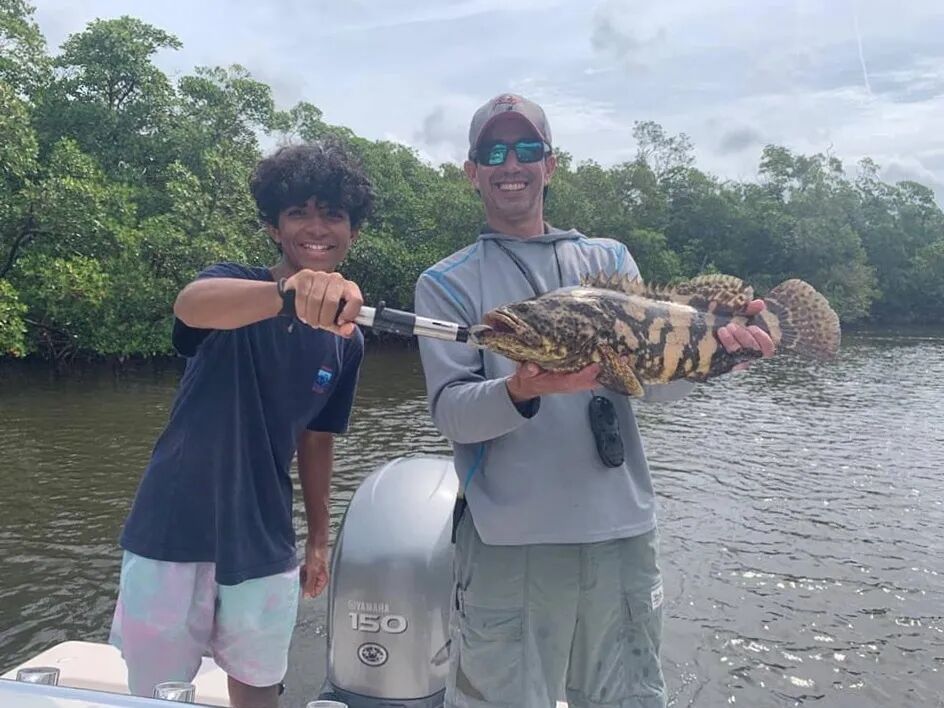
 10/06/2026